The memory of the body, the memory of the mind, the memory of inner time.
As an organ that works by association, the brain seems unable to experience emptiness as an absolute void. It constantly creates images, fills in gaps and links sensory experiences to memories, fragments and mental images. Perhaps we instinctively try to fill in what is missing, to give shape to what we cannot fully remember or understand.
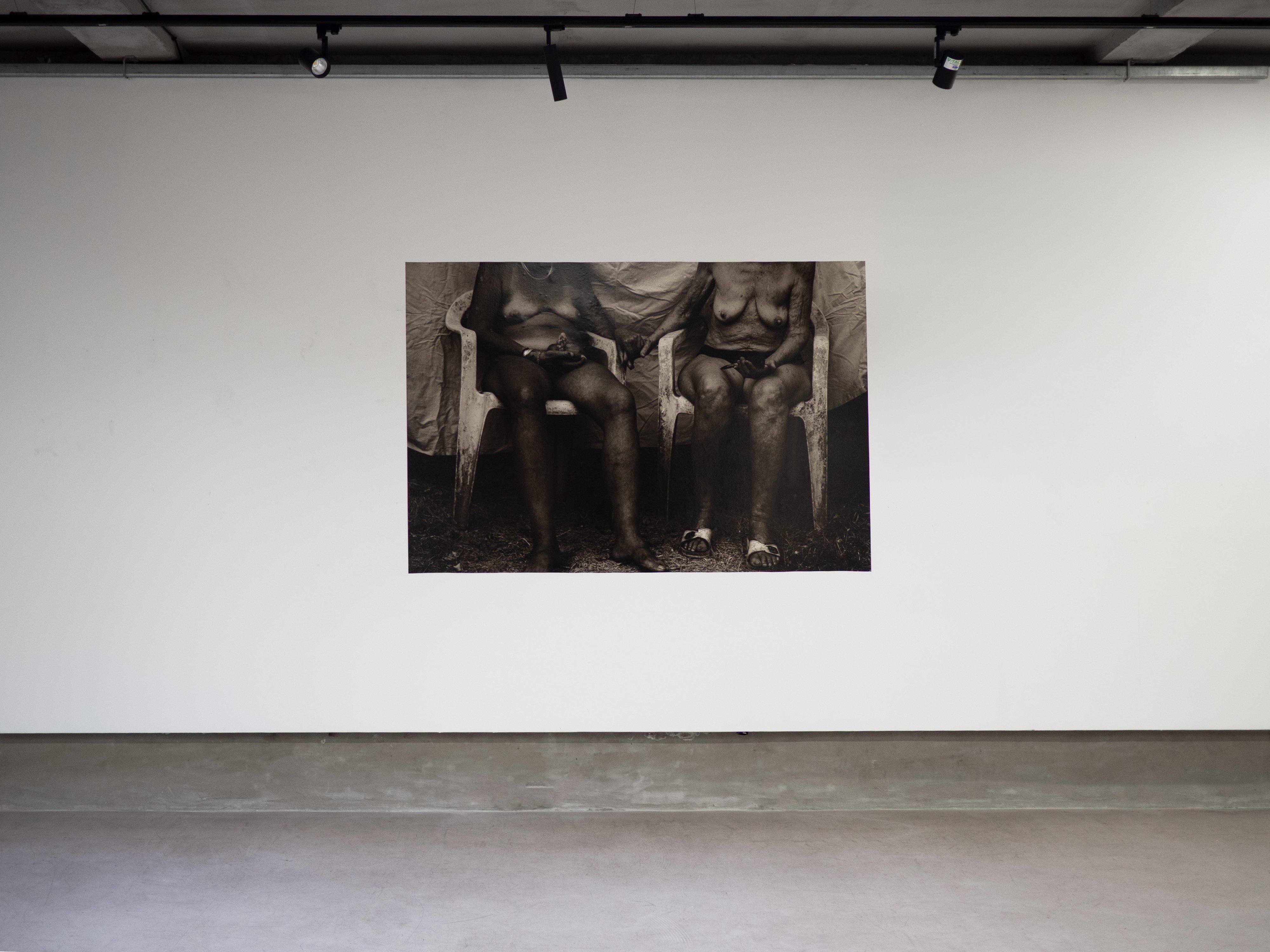
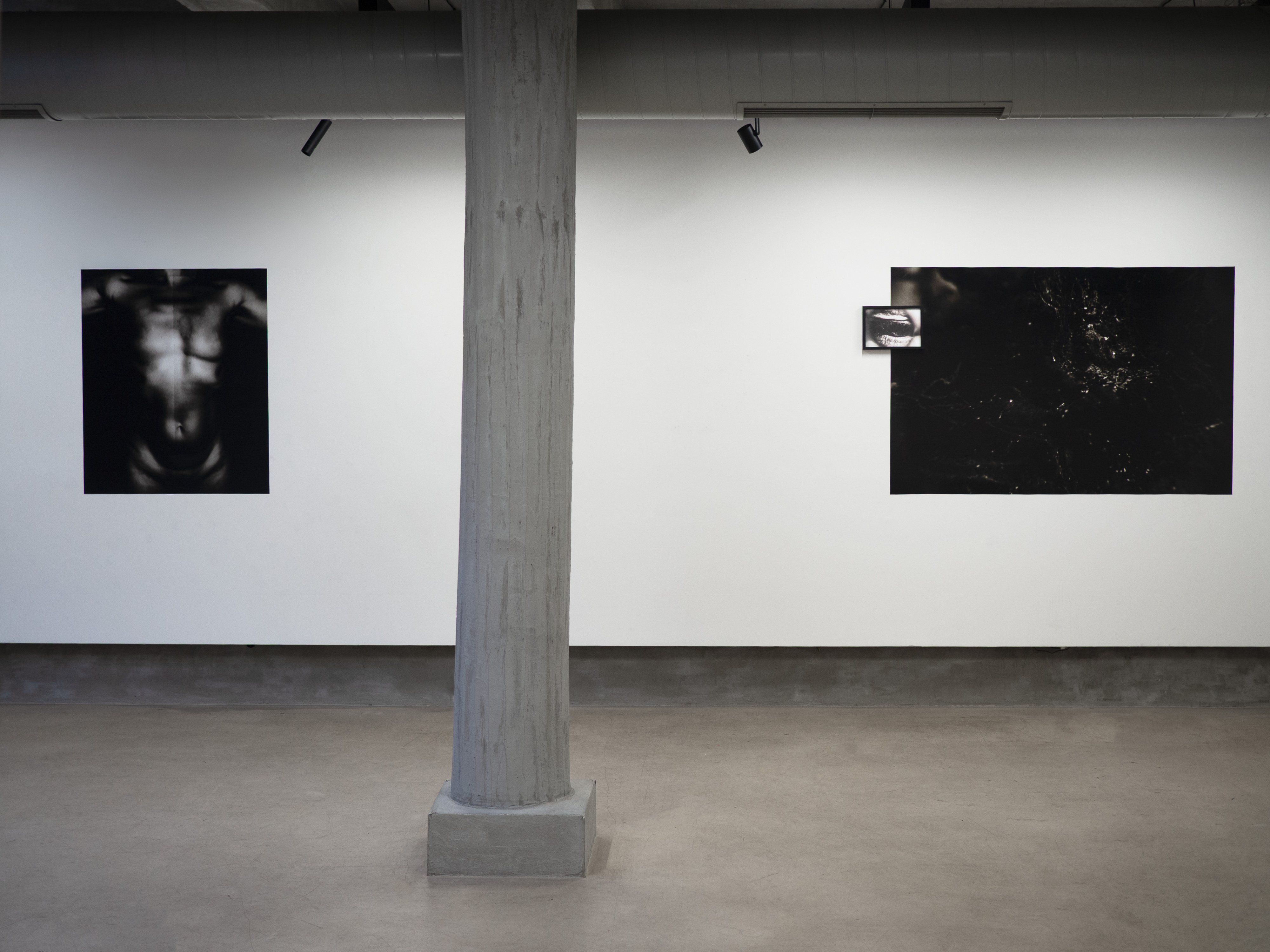
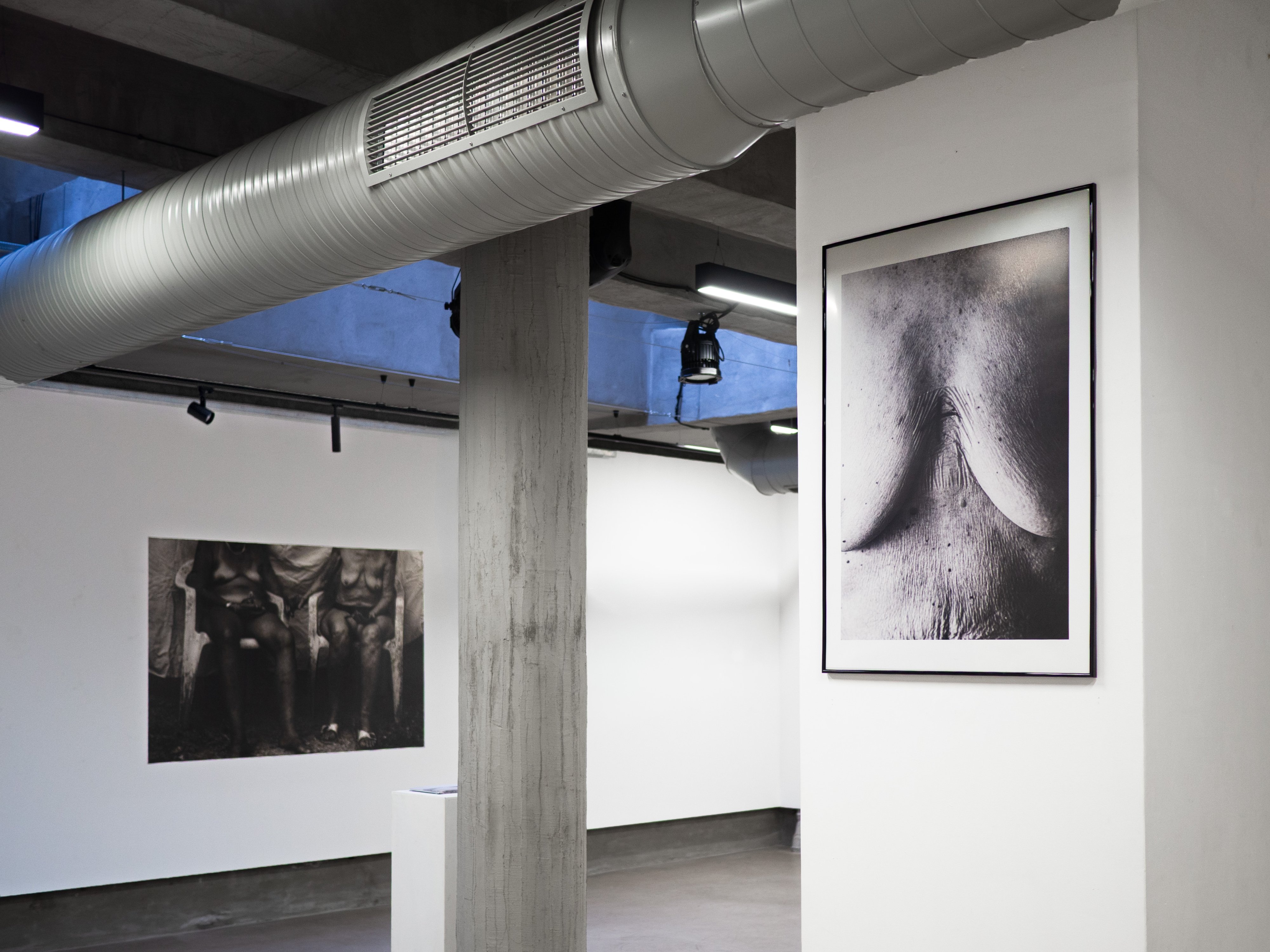
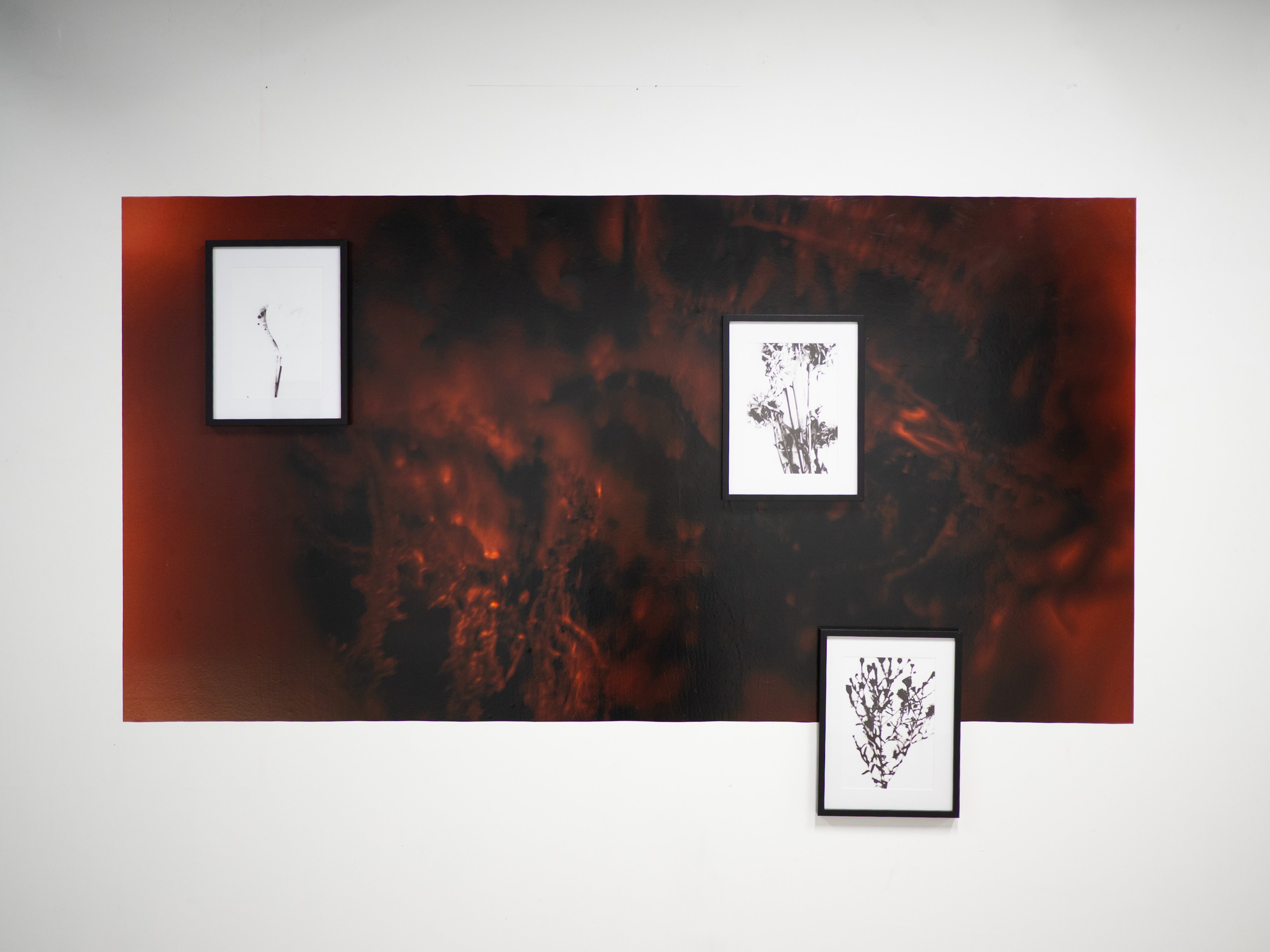
Photography might be one way of approaching this absence. Through it, we try to recover missing links and give form to an experience that exists somewhere between memory and imagination. A photograph is never simply an image of the past. It is also an encounter in the present, shaped by the absence of the moment it captures. When we look at an image, we see what once was and sense the distance between that moment and how we experience it now. The image becomes a threshold between presence and disappearance, between the physical world and what we remember of it.
Perhaps memory is more than an act of recollection. It is a form of presence, something that stays with us and changes shape over time. And perhaps absence is more than the disappearance of something or someone. Maybe the echo is what never left. A vibration suspended between presence and disappearance, between what we remember and what we can no longer reach.